

low iron ultra clear glass
Selecting the right spline gauge for complex gear profiles is critical to ensuring precision, durability, and compliance in industrial applications. As gears become more intricate to meet advanced engineering demands, the tools used to measure and validate them must evolve. This guide explores four pillars of spline gauge selection—calibration, design, standards, and application—to help manufacturers and quality assurance teams make informed decisions. Whether producing automotive transmissions, aerospace components, or heavy machinery, understanding these factors ensures seamless integration of spline gauges into high-volume production workflows. Spline Gage Calibration: Ensuring Precision in Measurement Spline gage calibration is the cornerstone of maintaining measurement accuracy over time. Even the most meticulously designed spline gauge can lose precision due to wear, environmental factors, or repeated use. Calibration involves comparing the gauge against a master standard to identify deviations and adjust its dimensions accordingly. For complex gear profiles, this process must account for nuanced parameters such as pressure angle, tooth thickness, and root clearance. High-volume manufacturers should prioritize automated calibration systems that minimize downtime. These systems use laser scanners or coordinate measuring machines (CMMs) to validate spline gauge geometry with micron-level accuracy. Additionally, calibration frequency should align with production cycles—for example, gauges used in 24/7 automotive assembly lines may require weekly checks, while those in lower-volume aerospace applications might follow monthly schedules. Key considerations for spline gage calibration include: Traceability to international standards (e.g., ISO/IEC 17025). Environmental controls (temperature, humidity) to prevent thermal expansion errors. Documentation protocols for audit compliance. By integrating rigorous calibration practices, manufacturers ensure that spline gauges remain reliable across millions of measurement cycles. Spline Gauge Design: Tailoring Tools for Complex Profiles The effectiveness of a spline gauge hinges on its design, especially when measuring gears with non-standard tooth forms, helical angles, or asymmetric profiles. Custom spline gauge design begins with a detailed analysis of the gear’s functional requirements, such as load capacity, rotational speed, and mating component tolerances. For complex geometries, manufacturers often opt for progressive or composite gauges. Progressive gauges combine multiple measurement features into a single tool, reducing inspection time for high-volume production. Composite gauges, meanwhile, validate the “go” and “no-go” limits of a spline simultaneously, ensuring that gears fit perfectly within their assemblies. Material selection is another critical aspect of spline gauge design . Tool steel alloys like D2 or M2 offer wear resistance, while carbide variants excel in high-temperature environments. Surface treatments, such as nitriding or titanium coatings, further extend operational lifespans. Case Study: A turbine gear manufacturer required a spline gauge to inspect helical splines with a 45-degree twist angle. By collaborating with engineers to optimize the gauge’s lead angle and tooth contact ratio, the final design reduced inspection errors by 22% and accelerated throughput by 15%. Spline Gauge Standard: Compliance and Industry Benchmarks Adherence to spline gauge standards is non-negotiable in regulated industries like automotive, defense, and medical devices. Standards such as ANSI B92.1, DIN 5480, and ISO 4156 define tolerances, surface finish requirements, and inspection methods for splined components. These guidelines ensure interoperability between gears and their mating parts, reducing the risk of assembly failures. When selecting a spline gauge , manufacturers must verify that the tool aligns with the relevant standard’s: Tolerance grades (e.g., Class 4 for aerospace vs. Class 5 for general machinery). Measurement principles (e.g., pin diameter calculations for involute splines). Reporting formats (e.g., ASME Y14.5 for geometric dimensioning). Global suppliers often provide spline gauges pre-certified to multiple standards, simplifying compliance for multinational operations. Regular audits and third-party certifications further validate adherence, fostering trust in high-stakes supply chains. FAQs about Spline Gauge s How often should spline ga u ge calibration be performed? Calibration frequency depends on usage intensity and environmental conditions. For high-volume production, calibrate every 500–1,000 cycles or quarterly, whichever comes first. Always follow the guidelines provided in ISO 17025 or your internal quality manual. What factors influence spline gauge design for helical gears? Helical gears require gauges with matching lead angles and adjusted tooth spacing to account for the helix twist. Material rigidity and surface finish are also critical to prevent deflection during measurement. Which spline gauge standard applies to automotive transmissions? ANSI B92.1 is widely used in North America, while DIN 5480 is common in Europe. Many global manufacturers design gauges to comply with both standards for flexibility. Can a single spline gauge inspect multiple gear sizes? No. Each spline gauge is tailored to specific dimensions, such as major diameter, pitch, and tooth count. Using mismatched gauges risks measurement inaccuracies. How do environmental factors affect spline gauge performance? Temperature fluctuations cause thermal expansion, altering gauge dimensions. Always store and use gauges in controlled environments (20°C ±1°C) per ISO 1 guidelines. Selecting the right spline gauge for complex gear profiles demands a holistic approach—balancing precision calibration, innovative design, strict adherence to standards, and practical application insights. For manufacturers operating at scale, investing in high-quality gauges and robust calibration protocols not only safeguards product quality but also enhances operational efficiency. By leveraging industry benchmarks and addressing common challenges through the FAQs above, teams can streamline their workflows and maintain competitiveness in precision engineering markets.
about
low iron ultra clear glass
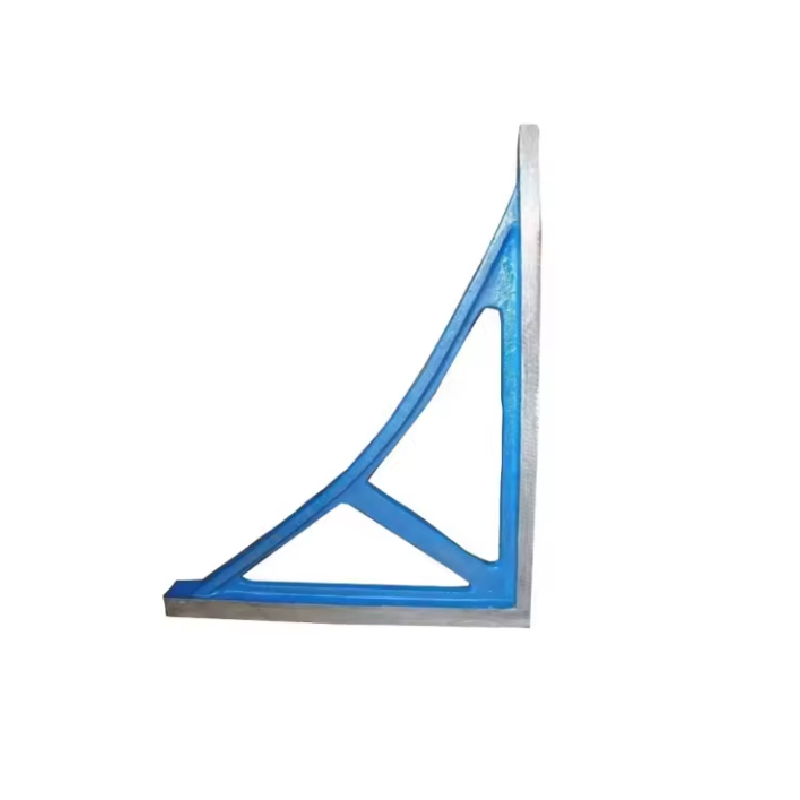
Whether you are working on a DIY project or need professional-grade precision for your industrial work, the 90-degree angle square and metal right angle square are essential tools for accurate measurements. These tools are crucial for checking squareness, ensuring flatness, and assisting in alignment tasks in various industries, from woodworking and metalworking to machining and construction. This article will explore the different types of right angle square rulers , their applications, and how they can improve your projects by providing consistent and reliable measurements. Why Choose a 90 Degree Angle Square for Precision The 90-degree angle square is one of the most widely used tools in construction, metalworking, and woodworking. This simple yet effective tool ensures that your workpieces are aligned perfectly, preventing any misalignment during assembly. It is typically used for checking right angles, ensuring that corners are square, and verifying the overall geometry of the project. In construction and carpentry, a 90-degree angle square is invaluable for framing, cabinetry, and floor installations. The right angle ensures that the components you are working with are properly aligned, allowing you to build more stable and durable structures. In metalworking, a 90-degree angle square is used to check the squareness of metal cuts and welds, ensuring that the final product meets strict specifications. With its precise measurement capabilities, the 90-degree angle square is essential in industries that require accurate and reliable alignment. Whether you are making cuts in wood, metal, or other materials, this tool provides the confidence needed to achieve flawless results. The Role of the Metal Right Angle Square in Industrial Work A metal right angle square is an indispensable tool for professionals in metalworking, machining, and other industrial sectors. Made from durable materials like stainless steel or hardened aluminum, this tool is designed to offer high precision and reliability, even in the most demanding work environments. The metal right angle square is often used for checking the squareness of machined parts, ensuring the correct angle for installations, and helping in precise cutting and welding operations. In industrial settings, ensuring that parts are square is crucial for the performance and safety of the final product. The metal right angle square provides the means to check the accuracy of components like beams, plates, and shafts, which can affect the overall functionality of machines and structures. This tool is particularly useful when performing intricate tasks such as aligning machine parts or ensuring that welding angles are perfect. What sets the metal right angle square apart is its durability. The hardness and strength of the material ensure that the tool can withstand repeated use and exposure to harsh conditions, making it ideal for factory environments. Its longevity and precision make it a top choice for professionals who rely on accuracy and reliability. Achieve Accurate Alignment with the Right Angle Square Ruler The right angle square ruler is a specialized tool used for marking, aligning, and checking angles with utmost precision. It typically features a steel or aluminum construction with clearly marked graduations, making it perfect for both measuring and marking straight lines and angles. This tool is invaluable for projects where accuracy and alignment are critical, such as in cabinetry, framing, or industrial machining. When used alongside other measuring instruments, the right angle square ruler can help ensure that your workpieces are positioned accurately, whether you are creating straight edges or verifying that parts fit together perfectly. It is particularly useful when performing intricate tasks such as cross-cutting wood, welding metal, or assembling components with tight tolerances. In addition to its marking capabilities, the right angle square ruler is ideal for checking the square of machine setups and verifying that parts are positioned correctly before proceeding with additional steps in the manufacturing process. Whether you're a DIY enthusiast or a professional tradesperson, this tool is an indispensable addition to your toolkit. Understanding the Importance of Metal Right Angle Rulers in Construction In construction, the metal right angle ruler plays an essential role in ensuring that all building components are aligned correctly. Whether you are framing a building, constructing a set of stairs, or installing a new door frame, the accuracy of the right angles is critical. The metal right angle ruler is used to measure and verify that the angles between walls, doors, windows, and beams are precisely 90 degrees. In addition to framing, the metal right angle ruler is also used for positioning tiles, laying foundations, and checking the alignment of building materials during assembly. By providing a reliable and consistent reference for angles, the metal right angle ruler helps ensure that construction projects meet the necessary structural standards and safety requirements. Construction professionals rely on the metal right angle ruler to speed up their workflow while maintaining precision. Without this tool, it would be far more difficult to ensure the squareness and proper alignment of construction materials, potentially leading to costly errors or structural issues down the line. FAQs About Right Angle Square Rulers What is the primary use of a 90-degree angle square? The primary use of a 90-degree angle square is to check and confirm the squareness of workpieces, ensuring that corners are precisely 90 degrees. It is commonly used in carpentry, metalworking, and construction for tasks such as framing, cutting, and welding. What material is best for a metal right angle square? For maximum durability and precision, metal right angle squares are typically made from materials like stainless steel or hardened aluminum. These materials are strong, resistant to wear, and provide long-lasting performance even under heavy usage. How do I use a right angle square ruler? A right angle square ruler is used to measure and mark straight lines at a 90-degree angle. It is perfect for ensuring that your workpieces are aligned and squared. Simply place the ruler along the edge of the workpiece and use it as a guide for cutting, marking, or measuring. Can a right angle square ruler be used for welding? Yes, a right angle square ruler is an essential tool for welding. It ensures that parts are aligned properly before welding, preventing misalignment that could lead to weak joints or structural defects. It's especially useful when welding metal beams, plates, or other structural elements. How do I choose the right right angle square ruler for my project? Choosing the right right angle square ruler depends on the material you're working with and the level of precision required. For general use, a standard steel or aluminum right angle square ruler will suffice. However, for heavy-duty industrial work or high-precision tasks, opt for a high-quality, durable option made from hardened steel. The 90-degree angle square , metal right angle square , and right angle square ruler are fundamental tools for ensuring precision in every project, whether it's for metalworking, woodworking, construction, or machining. These tools are built to offer maximum accuracy, reliability, and durability. Investing in high-quality versions will save time, reduce errors, and ensure that every job is done right. Ready to make your work easier and more precise? Visit our website to explore our selection of right angle square rulers , metal right angle squares , and more. Find the perfect tools to take your projects to the next level!
-

High quality industrial productsagement

High quality industrial products
View Details -

Meet the diverse needs of customers

Meet the diverse needs of customers
View Details -

Strict quality control

Strict quality control
View Details -

Top raw materials

Top raw materials
View Details -

Trusted supplier

Trusted supplier
View Details
Our application


news and information
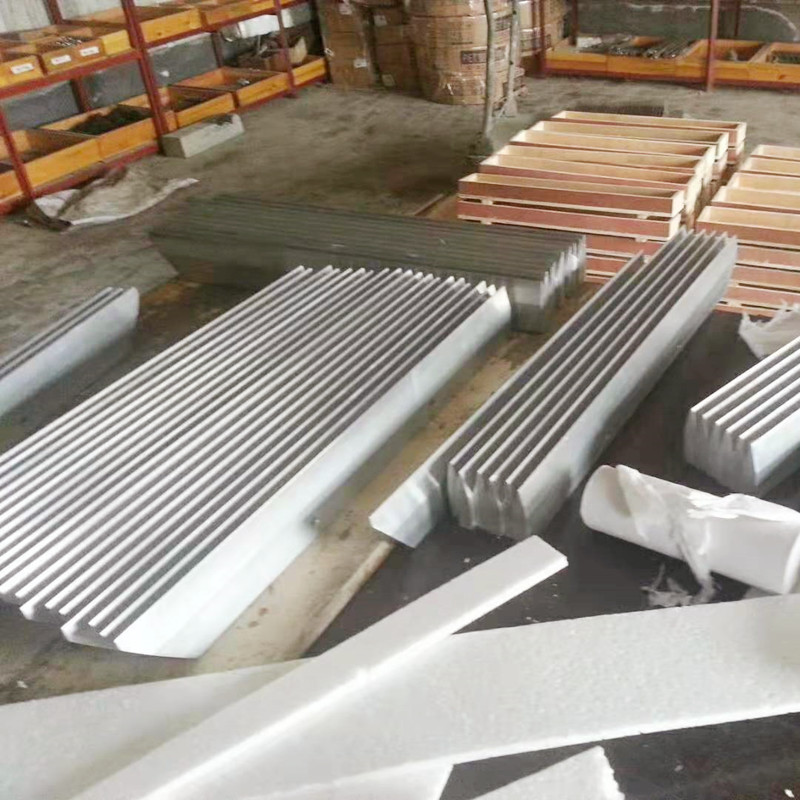
Vibration Reduction Pads
Anti-Vibration Pads A Revolution in Equipment Protection In the modern world, vibration is an inevi
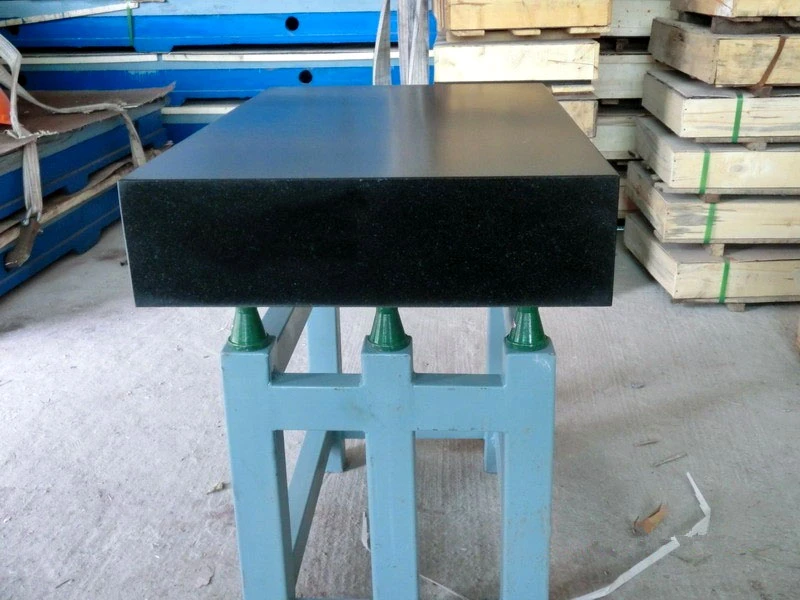
Welding Tables Available for Purchase at Competitive Prices
welding tables for sale .
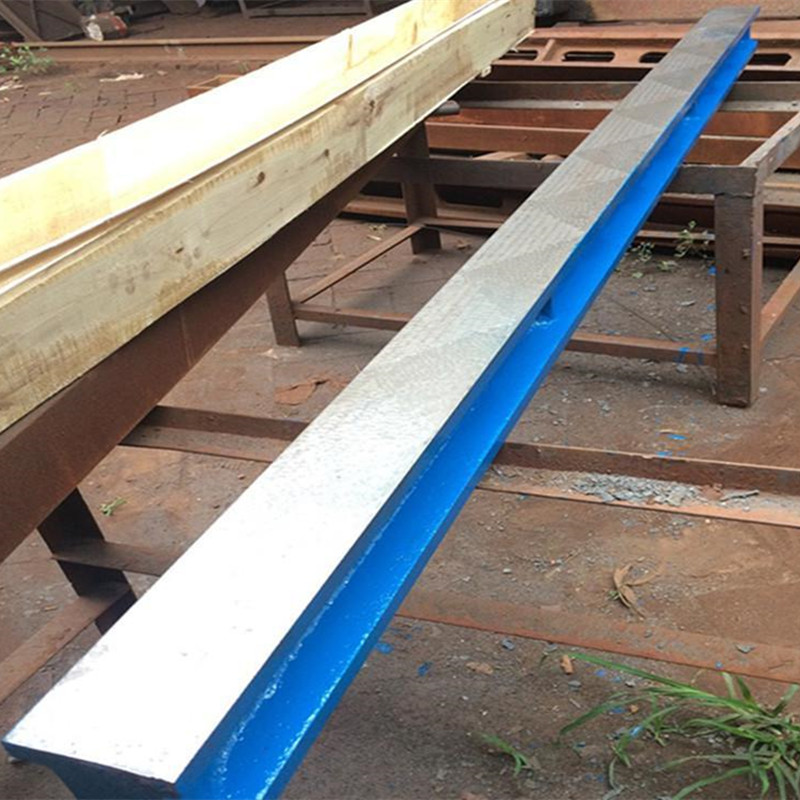
Versatile Applications of Parallel Rulers in Design and Technical Drawing
The Uses of Parallel Rulers Parallel rulers, a tool often seen on the desks of architects, engineers
 English